
- News
- Religion News
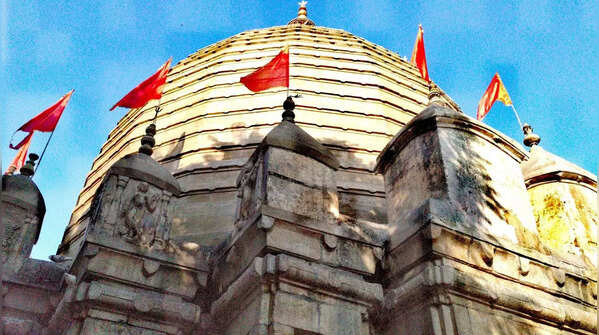
- Lesser-known tale of Goddess Kamakhya Devi temple
Lesser-known tale of Goddess Kamakhya Devi temple
Lesser-known tale of Goddess Kamakhya Devi temple
Nestled at the peak of Nilachal Hill in Guwahati, Assam, there is a heavenly abode of Goddess Kamakhya, which is one of India's most powerful yet enigmatic Shakti Peethas, where the Goddess is revered and worshipped not through idols but as a natural yoni-shaped stone symbolizing primal fertility.
What does mythology say?
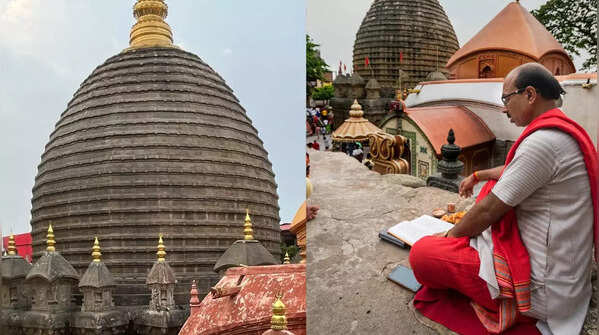
In Hindu mythology and ancient scriptures, the origin of Maa Kamakhya at Nilachal Hill unfolds the tragic yet transformative tale of Goddess Sati and Lord Shiva, as mentioned in the Kalika Purana and Yogini Tantra. It was mentioned that Sati, the daughter of Daksha Prajapati was married to Lord Shiva against her father's wishes by enraging the pride of her father. Daksha Prajapati organized a grand yagna where he invited everyone excluding Lord Shiva and his devotees. Insulted beyond endurance, Sati immolated herself in the sacred fire to defend her husband's honor, her body was consumed by flames of the yagana. To overcome Shiva’s inconsolable grief and rage, he lifted her charred corpse onto his shoulders and began the Tandava Nritya—a cataclysmic dance of destruction that threatened to destroy the universe.

The formation of Goddess Kamakhya?
To avert the consequences and total annihilation, Lord Vishnu intervened with his Sudarshana Chakra. Vishnu sliced Sati's body into 51 sacred pieces that scattered across the earth, each landing spot becoming a Shakti Peetha pulsating with divine feminine energy. Miraculously, Sati's yoni—the primordial symbol of creation and fertility fell precisely at Kamakhya in ancient Kamarupa, which is now modern Assam. This was the origin of Goddess Kamakhya and her Shakti Peetha as the womb of cosmic Shakti.
What’s unique about this temple?
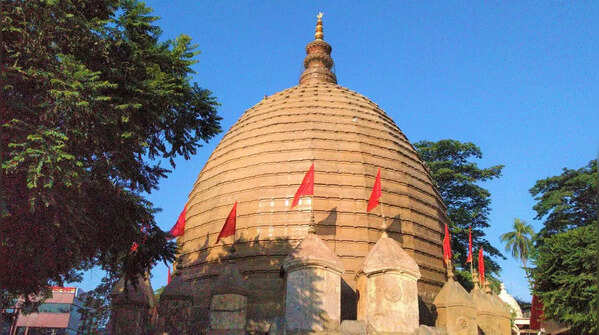
What makes this temple unique is that there are no idols worshipped here; instead, a natural stone yoni with ambrosial waters embodies the presence of the deity. Goddess Kamakhya is revered in Tantric rites as well as the divine union of Shiva (consciousness) and Shakti (power). As per Hindu mythology, King Naraka later consecrated the hill, weaving it in the form of a temple. Thus, Kamakhya stands as the bleeding heart of creation, where Sati's sacrifice fuels eternal fertility and spiritual awakening.
Featured In Religion

