
- News
- With COVID-19 pandemic hitting us hard; Yashoda Super Speciality Hospital brings new hope for all
This story is from October 30, 2020
With COVID-19 pandemic hitting us hard; Yashoda Super Speciality Hospital brings new hope for all
Vaccine or no vaccine, it is most likely that the world will not be the same post coronavirus pandemic as new normal will dictate the tone of the future. This is the common refrain among people globe over. The pandemic has taken a toll of about 39 million and killed more than 1,000,000 globally. The effect of the pandemic has embossed indelible scars in every sphere of life – be it social, economic, or any other discipline.In the wake of the second wave of the novel coronavirus, saving lives must be high on the agenda, and people will also have to shoulder the responsibility to keep themselves safe given the limitations of the health architecture and government’s resources amid strained environs.
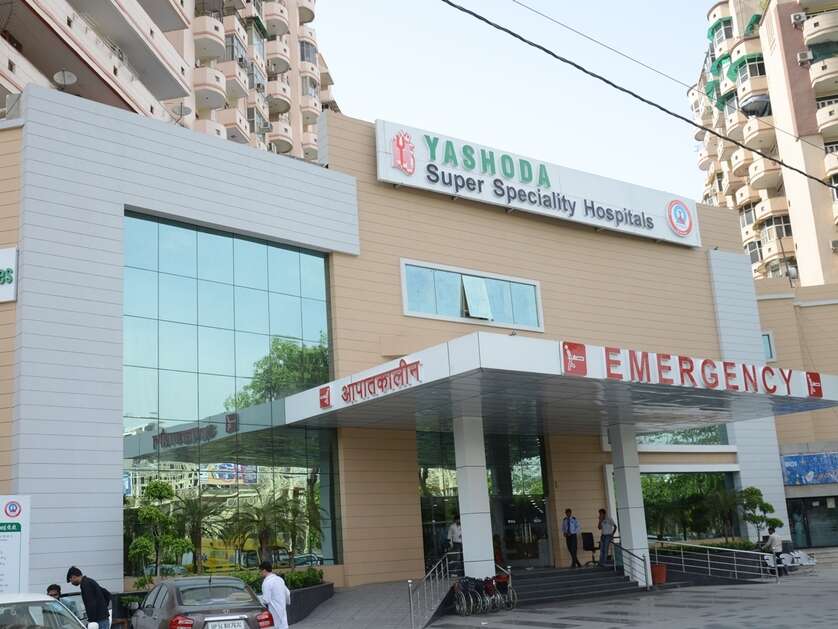
For instance, the Yashoda Super Speciality Hospital in Kaushambi area of the NCR, soon after the outbreak, had braced up to cope the situation and earmarked a wing for the COVID-19 patients with 100 beds so that maximum number of infected persons could be accommodated. But the challenge was very tough as there is still a scare among the professionals and the nursing staff that they might contract the infection, and there was initial resistance in the wake of the unsparing nature of the coronavirus.
Even doctors who were dealing with the patients faced the social stigma, but things were tackled, and the delivery was ensured. The word travelled, and people with covid-19 symptoms started flooding the hospital even from the distant places of the state. The patients from every background, be it the commoners, bureaucrats, politicians, businessmen turned up & the hospital managed the situation and won the confidence of patients.
Former UP Chief Minister Kalyan Singh was admitted at the hospital on September 16, 2020, after he tested positive for the infection. BJP leader tested negative for the infection last week, though, and he had comorbidity. He suffered from other health problems like diabetes, high blood pressure, Parkinson’s disease, kidney, and heart-related issues. He recovered and was recently discharged.
As we are at the end of the fall season and beginning of winter, India cannot afford to keep its feet off the pedal in the fight against the Coronavirus pandemic as the country is the second-worst affected nations in the world after the US.
In the wake of the festival season, there is a high possibility of gatherings with a casual attitude of not wearing masks and disregarding social distance, which may escalate the spread of the infection. With this in mind, we have started a mass awareness campaign against lowering of guards. Indeed, given the population size, infected cases are although far less, but there is no scope to take any chance with the unsparing coronavirus. It has taken more than 1,12,000 lives and infected over 73.70 lakh people in India.
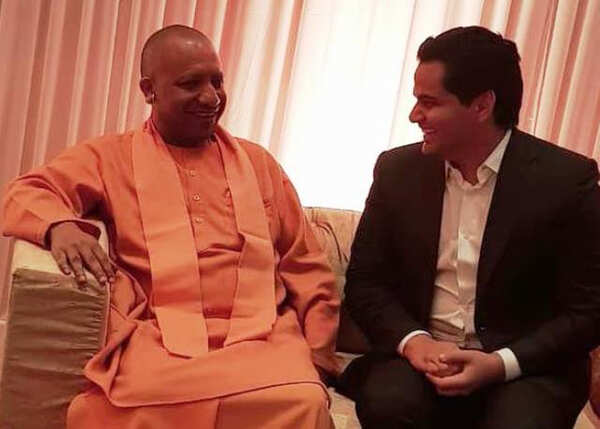
(Yogi Adityanath CM, Uttar Pradesh, and Shubhang Arora, Executive Director, Yashoda Hospital)
One of the most advanced countries like the United States, let the havoc loose & the pandemic took its ugliest form. Despite the plethora of resources and availability of highly advanced gadgets, the country has lost more than 217,000 lives.
As India continues its fight against COVID-19 and its effectiveness treatment, medical personnel are at the front battling the pandemic and providing services to prevent the spread.
Our fight against the Coronavirus has created a wartime situation which has created an extraordinary situation that longs for the extraordinary steps to face the challenge effectively without compromising human lives and further derailment of the country’s economy during the current economic recession.
In the past few months, the available medical hands and nurses tend to worn out and fully fatigued with a very high degree of physical and mental strain. These warriors of Coronavirus pandemic too have physical limitations. Being constantly in touch with the COVID-19, these warriors to run the risk of showing symptoms of COVID-19. So, we embarked upon plans to motivate them through the fatigue is writ large on faces. The most significant aspect of the whole strategy in the war against Coronavirus is that there should be key thrust on measures aimed at boosting the morale of these front line warriors. We adopted this meticulously, and it has fetched positive results.
With efforts to come up with a vaccine, the current reality is that there is no immediate cure right now, and flattening of the curve can only be accomplished by social distancing and personal hygiene like washing of hands & wearing masks. We should remain out of congregational settings, mass gatherings, and maintenance of distance of at least two to three meters from each other. We should start hand washing many times a day, & learn to avoid touching eyes and mouth.
Anyone who is coughing or sneezing should maintain distance from others, and others too should follow the same rules. We have to guard those who are in the front line to cope up with the worst situation. We must also firmly act against those who have flagged opposition to doctors, nurses, pilots in saving infected persons or bringing back home from the word affected parts of the world like Italy, Iran, and China etc.
European regions are reporting rising levels of COVID-19 fatigue. They are all weary, but there is no option left than to reinvigorate and revive efforts to tackle the evolving COVID-19 challenges that they face. The situation is no different in India too, or any other pandemic hit the country.
The fatigue is increasing. Amidst this protracted public health emergency, one that has forced people to live with uncertainty and disruption for many months, these levels of exhaustion are to be expected. I agree although we are all weary, I believe it is possible to reinvigorate and revive efforts to tackle the evolving COVID-19 challenges that we face. The pandemic is increasing demand for mental health services. Bereavement, isolation, loss of income, and fear are triggering mental health conditions or exacerbating existing ones, official figures say.
Meanwhile, COVID-19 itself can lead to neurological and mental complications, such as delirium, agitation, and stroke. People with pre-existing mental, neurological, or substance use disorders are also more vulnerable to SARS-CoV-2 infection ̶ they may stand a higher risk of severe outcomes and even death.
The Coronavirus pandemic is far from over, and people must not lower guards against the unsparing virus. A second, and then a third wave of the pandemic, cannot be ruled out.
A recent report in India has flagged the concerns, and covid fatigue is staring not only at Europe but other places as well. We have braced up for such a scenario.
Masks are recommended as a simple barrier to help prevent respiratory droplets from travelling into the air and onto other people when the person wearing the mask coughs, sneezes, talks, or raises their voice. This is called source control. Labs studies show covers reduce the spray of droplets when worn over the nose and mouth.
COVID-19 spreads mainly among people who are in close contact with one another (within about 6 feet), so the use of masks is particularly important in settings where people are close to each other or where social distancing is challenging to maintain.
As the festive season is round in India, the vigil has to be mounted by the people themselves. And this needs to be done with strict observation of proposed protocols like maintaining a stance of at least two feet, no large assemblies, and quick reporting to hospitals and health authorities if symptoms of cold and develop along with loss of smell and fever.
Health authorities recommend all people of 2 years of age and older wear a mask in public settings and when around people who don’t live in your household, especially when other measures of social distancing are challenging to maintain.
Till such time, the vaccine is available; these minimum precautions will help to control the spread and panic.
Delhi is likely to report around 15,000 Covid-19 cases daily in winter because of the prevalence of respiratory illnesses during this season that worsens symptoms of the disease, the National Centre for Disease Control (NCDC) has warned. More patients with severe symptoms from other states are also expected to come to the national capital for treatment during this period, it has said. The report says winter months that make respiratory illnesses severer; patients may come from outside Delhi in large numbers.
Patients coming from distant areas are likely to be more serious. Also, with festival-related gatherings, there could be a sudden rise in cases. Therefore, it is recommended that Delhi should prepare for a daily surge of approximately 15,000 positive cases and make arrangements for inpatient admissions of patients with moderate and severe disease roughly amounting to 20% of this surge,” the NCDC said in a document related to the revised Covid-19 strategy for Delhi.
In the wake of such warnings coming from experts, the health care providers, society, and government machinery must brace up to tackle the situation. It does not apply to Delhi alone; such yardsticks must be followed across the country.
The document, according to media reports, has been drafted based on the recommendations of an expert group led by Dr V K Paul of Niti Aayog to help formulate a revised strategy for Covid-19 management in Delhi.
The document said containment zones should be limited to places such as resettlement colonies and slums, and contact-tracing activities have to be rationalized, and districts should follow leads provided by their own surveillance instead of just chasing targets when it comes to testing.
With the narrowing of cases between India and the worst affected United states, we can be the worst hit in a few days to come. The difference in cases between the two countries is just over six lakh cases. Our track record of having far less number of deaths infuses confidence, and we must maintain vigil to bridle the death toll with the involvement of all, in the ongoing global crisis unleashed by the coronavirus, the healthcare.
Written by -Shubhang Arora, Executive Director, Yashoda Group of Hospitals
To know more about Yashoda Group of Hospitals, click here.
Disclaimer: The views/suggestions/opinions expressed in the article are the sole responsibility of the experts and the experts and the hospital concerned.
End of Article
FOLLOW US ON SOCIAL MEDIA
TOP TRENDING
Popular Categories
Hot on the Web
Top Trends
Israel Hezbollah WarMost Runs in International CricketVirat KohliIND vs BAN Live ScoreRohit SharmaIndian Team Fastest Test FiftyMohammed SirajUGC NET Result 2024TS DSC Results 2024Women T20 World Cup Points TableWomen T20 World Cup ScheduleShane McMahon Net WorthHezbollah ChiefTourists Not AllowedDiddyTop Management Colleges of IndiaLive Cricket Score
Trending Topics
Devara CollectionMithun ChakrabortyKangana RanautNavratri WishesGandhi Jayanti WishesAnant AmbaniDevara CollectionGandhi Jayanti 2024Masala OmeletteEmergencyDevaraTaaza Khabar 2 Twitter ReviewDevara Movie ReviewHealthy RaitasSwatantrya Veer SavarkarColdplay India tour 2025Smartphone DealsApple Macbook Air M1Amazon SaleWordle Answer
Living and entertainment
Latest News
iVoomi S1 Lite e-scooter launched at Rs 84,999: 180 km range, three-year warranty!Tata Nexon turbo CNG: Variant-wise features with price explainedPMI in India intensifies efforts against Illicit Tobacco Trade to Safeguard Economic Interests and Consumer ProtectionBarbra Streisand pays tribute to late 'A Star Is Born' co-star Kris Kristofferson: 'He was something special'Mumbai vs Rest Of India: Irani Cup tie offers chance for hopefuls and rejects to impress selectorsOlivia Culpo and Christian McCaffrey buy George Clooney's mansion for $14.5 millionKaun Banega Crorepati 16: Amitabh Bachchan believes he is 'Half-Sikh' recalling his maternal roots; reveals his aunts called him 'Amitabh Singh'RG Kar case: Kolkata court extends judicial custody of ex-principal, suspended cop till October 4When Dikembe's shoe size astonished the Mumbai Temple guardHow can Ben Stokes and other overseas players avoid a two-year IPL ban?"Nothing he was doing was believable", Darby Allin picks names wrestler who benefited most from AEW All In 2023 backstage incidentColleagues remember braveheart Delhi Police constable Sandeep: 'Would rush to crime scene alone'Header: Kolkata metro conducts public awareness campaign at Dum Dum metro station5 ways insecurity can ruin a relationshipBengaluru resident exposes fake Flipkart agent attempting to deliver bogus iPhone 15; read online reactionsBihar and Jharkhand among top two states enrolling for contributory pension scheme for farmers"Tyler Huntley’s 'Snoop' Nickname: The Rapper Connection Explained”BTS star V crowned 'Most Handsome Man in the World 2024'
Copyright © 2024 Bennett, Coleman & Co. Ltd. All rights reserved. For reprint rights: Times Syndication Service