
- News
- Education News
- Anticipation of Dispossession: Narratives from the Mallanasagar Reservoir Area
Trending
This story is from February 28, 2024
Anticipation of Dispossession: Narratives from the Mallanasagar Reservoir Area
Living in anticipation of dispossession impacts villagers in the reservoir area. Government logic on development projects disregards people's refusal to move. Compensation cannot fully redress the loss and cultural ramifications of dispossession. Granular and textured understanding of the socio-cultural impact, resistance, socio-economic impact, marginalized communities, and systemic injustice is crucial.
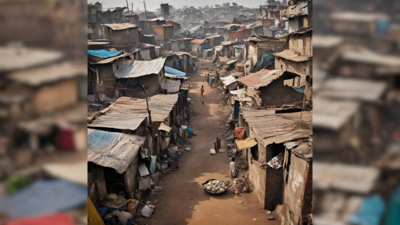
Is this shared notion of ownership quantifiable?
These questions are explored through a close look at socio-demographic details (and diversities therein) of the affected villages, through conversations and interviews with people living in the villages in the Mallanasagar reservoir area in Telangana marked for submergence by the project. Beyond the physical and ecological impact associated with irrigation projects, questions have most often centred around the geographical distribution of livelihoods, politics of administrative decision-making processes, relocation and resettlement plans for ‘project affected people’, and the politics and rationale of projects of displacement. This article attempts to unravel the cultural ramifications of dispossession. In trying to understand the governmental action that deliberately disregards the many-layered, complex articulations of a people’s refusal to comply, especially their refusal to move, to leave their territory and homelands, we signpost debates on dispossession that foreground the intersecting axes—of the accumulation of dispossession, regimes of dispossession and cultures of dispossession—as particularly relevant to a granular, textured understanding of the experience of dispossession. In terms of compensation, relief and rehabilitation, what is to be compensated, or redressed, and how might this be done?
End of Article
FOLLOW US ON SOCIAL MEDIA







Photostories

Hot Picks
TOP TRENDING
Popular Categories
Hot on the Web
Top Trends
Liv Morgan Car CollectionTrichy School Bomb ThreatIsrael Hezbollah WarKerala Lottery ResultsRohit SharmaBrittany MahomesHarbhajan SinghUP Police Constable ResultSeth Rollin Car CollectionTirupati Laddu CaseICC Women t20 World CupWomen's T20 World CupDiddyTop Management Colleges of IndiaT20 WC ScheduleWomen T20 World Cup Points TableLive Cricket Score
Trending Topics
Samantha Ruth PrabhuNavratri Colours 2024Navratri WishesHappy Navratri 2024 WishesNaga ChaitanyaDevara CollectionGOAT OTT ReleaseRajinikanthRajinikanth Health UpdateNavratri HistoryDevaraGovinda NewsDevara Movie ReviewHealthy RaitasSwatantrya Veer SavarkarColdplay India tour 2025Upcoming Smartphones In OctoberNavratri JewellerySony Bravia 55 inch 4k Ultra HD TVWordle Answer
Living and entertainment
Latest News
ICC Women’s T20 World Cup ninth-edition: Will India capture their first title? Key players, schedule, and where to watchPower outages, water shortages emerge as Hurricane Helene smashes US' SoutheastEver wondered how business and corporate laws provide organisations with a competitive edge? Learn their nuances with IIM Calcutta5 must follow rules of Ayurveda to lose 5kg in 30 days'Was screaming, hitting him': 5-year-old Florida boy suffers cardiac arrest on Disney rollercoaster rideMicrosoft launches developer feedback program to address Xbox platform pain pointsKiara Advani shakes up the internet with her backless crochet and ruffle-dressTwo youths held captive in Manipur’s Kangpokpi released after week-long abductionNavarathri is all about inspiration and motivation: Shivani NarayananBank of America faces outage leading to zero balance glitches, hilarious memes flood social mediaWho is S Iswaran? Former Singapore minister of Indian origin sentenced to one year in prisonMahima Chaudhry reveals she begged Ajay Devgn and Prakash Jha to keep her near-fatal car accident secret: 'I feared industry boycott'There’s a huge angle of woman empowerment also in our story of Ram and Vaishnavi: Shiv SagarGlobal Chess League 2024: Indians in action, teams, format, scoring system, timeCan mosquitoes spread HIV? Here’s what you need to knowSomen Mishra sets record straight on Alia Bhatt and Vasan Bala 'Jigra' controversy: We were DYING to get Alia on boardVijay's 'GOAT' gets an OTT release; official date announced!This Is Why Tarot Cards Are Classified As Potential, Consciousness, Subconscious And Superconscious
Copyright © 2024 Bennett, Coleman & Co. Ltd. All rights reserved. For reprint rights: Times Syndication Service