
- ETimes
- Movies
- Movie Reviews
- Hayagrriva
Hayagrriva
UA2 hrs 2 minsReleased: 27 Feb, 2026
Kannada
Crime
, Mystery
& Thriller
2.5
Critic's Rating
3.3
Users' Rating
About the Movie
A composed police officer investigates a series of disturbing murders that appear to be rooted in mythological symbolism. As the investigation deepens, the psychological complexity of the antagonist — driven by obsession and ideology — becomes central to the unfolding narrative.
Cast





Hayagrriva Movie Review: A Concept Thriller That Favours Its Antagonist

The Times of India
Mar 01, 2026, 10:05 AM IST2.5
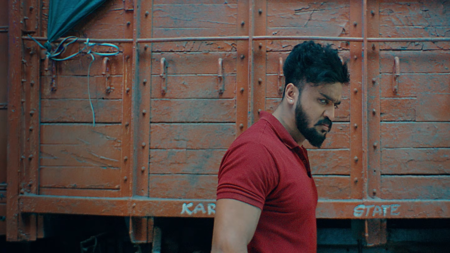
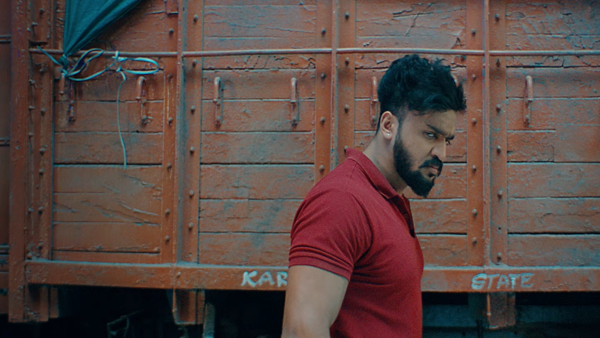
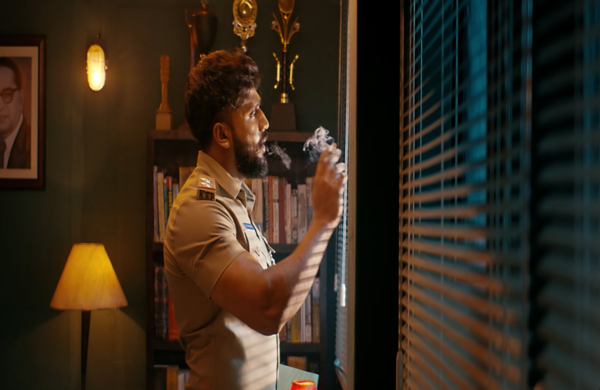
By Susmita Sameera The film opens with a mythological reference to Hayagrriva — a name shared by both a demon and the divine force that destroys him. This symbolic prologue sets the thematic base before the narrative shifts to the present, introducing a man who carries the same name. Arjun Hayagrriva (Dhanveerrah Gowda) is established as a composed yet intense police officer, someone who operates with restraint but acts decisively when required. As missing cases surge across the city, a new commissioner (Ashwini Gowda) takes charge and publicly promises a swift clean-up on crime. Soon after, the city is shaken by a disturbing discovery: a mutilated body found under chilling circumstances. The autopsy reveals unsettling details. The forensic expert suggests that the killer appears to possess advanced medical knowledge, using it with calculated precision. With over 56,000 missing cases on record, none match the victim’s identity. Before progress can be made, more bodies surface, deepening the mystery and intensifying public fear. The medical examiner concludes that the perpetrator is an intelligent and methodical psychopath. Arjun begins to detect a pattern rooted in Indian mythology. The central conflict revolves not only around capturing the killer but also around identifying victims whose identities have been deliberately erased. The film’s strongest aspect lies in its antagonist. The narrative gradually reveals a layered backstory — a childhood fascination with mythology, a desire to transcend human limitations, and a calculated pursuit of knowledge as a means to imitate divinity. His psychological motivations form the most compelling portions of the screenplay. The story becomes more engaging whenever it explores his ideology and method. However, the momentum is uneven. The initial stretch moves slowly, focusing on domestic drama, a romantic subplot, and familiar comedic segments that dilute the tension. The pacing improves considerably once the investigation narrows in on the killer’s psyche and methodology. Dhanveerrah portrays Arjun with restraint, maintaining a steady, controlled demeanour throughout. At times, this calm presence feels understated in moments that demand visible emotional intensity, leaving room for interpretation on whether it reflects character design or performance limitation. Sanjana Anand, as Aishwarya, is part of a conventional romantic track. Supporting actors including Sharath Lohithaswa, Sadhu Kokila, Ramesh Bhat, Ashwin Hassan, Krishna Hebbale, Sangeetha Anil, Ashwini Gowda, and Shobhraj, contribute across investigative and family-driven portions. Sunil Raoh appears in a role that departs from his usual screen image and adds a different dimension to the narrative. Technically, the film maintains a consistent visual tone. The cinematography supports the dark theme effectively, while the background score reinforces tension during key moments. Some visual effects appear exaggerated but do not dominate the experience. Overall, Hayagrriva presents an intriguing serial-killer premise intertwined with mythological symbolism. While certain narrative choices slow its impact, the psychological depth of the antagonist and the core investigative thread sustain interest.
User Reviews
0/1500
Post ReviewTrailer

Hayagrriva - Official Teaser
Videos

Hayagrriva - Official Teaser

Hayagrriva - Official Title First Look Motion Poster
Photos



Latest Movie Reviews



Hot on the Web
Anita KanwalRanveer SinghVirat KohliHema MaliniMammoottyRam CharanDiljit DosanjhWhen is BakridFarhan AkhtarPadma Awards 2026Drishyam 3 Box Office CollectionAishwarya Rai BachchanRavi KishanImtiaz AliDr Santosh GoyalChand Mera Dil Box Office CollectionMeenakshi SeshadriAishwarya Rai BachchanAnti Termites TipsKaruppu Box Office CollectionDhurandhar 2Ashoke PanditPopular FoodSnake Parks in IndiaKangana RanautAR RahmanBaby NamesDhurandhar 2 Box Office CollectionPati Patni Aur Woh Do Box Office CollectionHoroscope TodayHarpy Eagle Vs Philippine EagleVenomous Vs Non Venomous SnakesUS Powerball LotteryHighest Anaconda PopulationWorld Highest Paid AthletesRussia OreshnikNyt ConnectionsTwisha Sharma Death CaseHusband Divorce His Wife For Not CookingChina New Humanoid RobotSuryastraCaptions For Instagram Posts
Trending Topics
Latest MoviesBollywood MoviesHollywood MoviesTamil Movies 2026Telugu Movies 2026Malayalam Movies 2026Kannada MoviesMarathi MoviesBengali Movies 2026Top Rated Movies 2026Best Hindi MoviesBest English MoviesBest Telugu MoviesBest Tamil MoviesBest Malayalam MoviesBest Kannada MoviesBest Bengali MoviesUpcoming Hindi MoviesBest Movies Of All TimeBest Hindi Movies of All TimeLatest English MoviesLatest Malayalam MoviesEnglish TV NewsTamil TV NewsTelugu TV NewsMalayalam TV NewsKannada TV NewsMovie ReviewsBhojpuri Cinema NewsGujarati Cinema News
Popular Categories
Viral NewsK Pop NewsWeb Series NewsAnime NewsUpcoming English MoviesUpcoming Tamil MoviesUpcoming Telugu MoviesUpcoming Malayalam MoviesUpcoming Kannada MoviesFashion TipsTravel NewsEntertainment NewsBollywood NewsTollywood NewsKollywood NewsMollywood NewsFood NewsLatest Hindi MoviesLatest Tamil MoviesParenting TipsHome RemediesWeight LossBeauty TipsParenting TipsHindi VideosHindi Video SongsBhojpuri Music VideosLatest Telugu MoviesBhojpuri Music VideoHindi TV News
Latest News
Hazaribag man drowns while fishing in lake"Behen Darr Gayi!": Fans relive ‘Bhagam Bhag’ era after watching Akshay Kumar's 'Bhooth Bangla' trailerMBOSE HSLC result 2026 to release tomorrow: Check details hereIran war risk: JPMorgan CEO Jamie Dimon warns of oil shocks, sticky inflation and higher interest ratesMake your clutch last longer with these easy driving tips“Three-against-one situation”: El Rubius opens up on being “targeted” in MrBeast’s viral $1M challengeBihar BTSC lab assistant notification released for 1091 posts at btsc.bihar.gov.in; apply hereIPL craze costs techie Rs 1.46 lakh in fake RCB vs CSK ticket scamRaising “robot-proof” kids: Why creativity and curiosity matter more than everInside ‘Satguru Sharan’: Exploring Saif Ali Khan and Kareena Kapoor Khan’s Rs 100 crore Bandra homeHow selling Alaska in 1867 was a costly mistake for Russia'Hera Pheri 3 is coming': Paresh Rawal dismisses delay reports and reveals he will 'start shooting soon'US-Iran War: A daring rescue Hollywood blockbuster is on its way. Till then, pick your favourite from these 10 films on bringing someone home against all oddsKolkata team unveils fan mural at Rash Behari Avenue, celebrating city’s first loveHow US spread a lie to rescue a pilot of a jet shot down in IranNetflix unveils ‘VOID’, an AI model that can change a movie plotAI data centers are causing 'stress' not just to tech companies, but also private insurers"Trans women are.....": Clavicular’s viral moment with trans women sparks fresh conversation on internet culture